
How to Choose the Right Tires for Your Car Truck or SUV
Tires are the only part of your vehicle that touch the road, yet they are easy to overlook until the tread is worn or the weather turns bad. The right set can improve braking, steering, comfort, fuel economy, towing stability, and confidence in rain, snow, or heat.
Choosing tires is not just about finding the right price. A tire that works well on a compact sedan may be a poor match for a full-size pickup. A highway tire that feels quiet on dry pavement may struggle on unplowed roads. The best choice starts with how and where the vehicle is driven.
Start with the main tire types
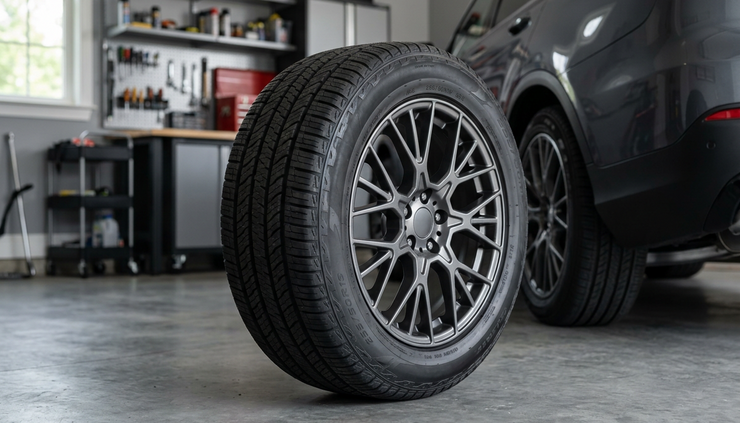
Most shoppers begin with tire type. This choice sets the tone for ride quality, grip, tread life, and seasonal performance.
All-season tires are the default choice for many cars, trucks, and SUVs. They are built for a mix of dry roads, wet pavement, and light winter conditions. They often ride quietly and last longer than more specialized tires. For drivers in mild climates, they are usually the most practical option.
Winter tires are made for cold temperatures, snow, slush, and ice. Their rubber stays more flexible in freezing weather, and their tread patterns have extra biting edges for traction. If winters regularly bring snow or icy roads, winter tires can make a major difference in stopping and turning.
Performance tires focus on grip, steering response, and cornering feel. They are common on sports cars, sport sedans, and some performance SUVs. Many trade tread life and winter ability for better dry and wet handling. Summer performance tires should not be used in freezing conditions.
All-terrain tires are common on trucks and SUVs that see gravel roads, trails, worksites, or snow. They add stronger tread blocks and tougher construction than many highway tires. The tradeoff can be more road noise and a firmer ride.
Highway or touring tires work well for daily driving, long commutes, and road trips. They usually favor comfort, quietness, and even wear.
Match the tire size and specifications
The safest tire is one that matches the size and load needs of the vehicle. Start with the owner’s manual or the tire information placard, usually found on the driver’s door jamb. That placard lists the original tire size, load rating, speed rating, and recommended tire pressure.
A tire size may look like this: `225/60R17`.
Here is what the parts mean:
Marking | What it means |
225 | Tire width in millimeters |
60 | Sidewall height as a percentage of width |
R | Radial construction |
17 | Wheel diameter in inches |
Load rating matters, especially for pickups, SUVs, vans, and vehicles used for towing. A tire with too low of a load rating can overheat or wear too quickly under weight. Trucks may also need LT tires, which stands for light truck, rather than passenger-rated tires.
Speed rating matters too. It shows the speed range the tire is designed to handle when properly inflated and loaded. Most everyday vehicles do not need extreme speed ratings, but the replacement tire should meet or exceed the vehicle manufacturer’s recommendation.

Look at tread patterns and road feel
Tread design affects how a tire grips, channels water, handles turns, and sounds on the highway. It also plays a role in how steady a vehicle feels during braking and lane changes.
A few tread patterns are common:
Symmetrical tread
Often quiet, durable, and easy to rotate. Good for everyday driving.
Asymmetrical tread
Uses different inner and outer tread zones. Often improves wet grip and cornering.
Directional tread
Designed to roll in one direction. Helps push water away and can improve wet-road control.
Aggressive block tread
Common on all-terrain and mud-terrain tires. Helps off-road traction but can add noise on pavement.
For rainy climates, look for wide grooves that move water away from the contact patch. This helps reduce the chance of hydroplaning. For snow, look for siping, the small slits in the tread blocks that create extra biting edges.
Tread depth is just as important as tread pattern. Once depth gets low, wet braking and snow traction drop off. The penny test can give a rough check, but a tread depth gauge is more accurate and inexpensive.
Choose for weather and driving habits
The right tire depends on real driving, not ideal driving. A person who drives mostly city streets in Phoenix has different needs than someone who commutes through lake-effect snow in Michigan or tows a camper through the Rockies.
Think through these questions before buying:
Do roads stay warm most of the year, or do temperatures often drop below freezing?
Is rain a regular concern?
Does the vehicle tow, haul, or carry heavy passengers and gear?
Are most miles highway, city, rural, or off-road?
Is a quiet ride more important than rugged traction?
Does the vehicle have all-wheel drive, four-wheel drive, or front-wheel drive?
All-wheel drive can help a vehicle move, but it does not replace good tires. Braking and steering still depend on tire grip. For snowy areas, a front-wheel-drive car with quality winter tires may feel more secure than an all-wheel-drive SUV on worn all-seasons.
For trucks and larger SUVs, also consider sidewall strength. Drivers who tow, haul, or travel on rough roads may benefit from tires with stronger construction. Daily drivers that rarely carry heavy loads may be better served by a quieter highway tire.

Balance budget, value, and brand reputation
Price matters, but the cheapest tire is not always the lowest-cost tire. A bargain tire that wears quickly, rides poorly, or struggles in rain can cost more over time. A higher-quality tire may last longer, stop shorter, and feel better every day.
When comparing tires, look at:
Treadwear rating and expected mileage warranty
Wet and dry traction ratings
Load and speed ratings
Road noise reviews
Ride comfort
Warranty terms
Availability of road hazard protection
Reputation for the exact tire model, not just the brand
Brand recommendations should start with known, widely available tire makers. Michelin, Bridgestone, Goodyear, Continental, Pirelli, Yokohama, Hankook, Cooper, Firestone, BFGoodrich, and Toyo all offer strong options in different categories. No single brand is best for every vehicle, so compare models within the type of tire needed.
For example, a touring tire from one brand may be excellent for a sedan, while that same brand’s all-terrain tire may not be the best fit for a truck. Reviews are useful, but give more weight to reviews from drivers with a similar vehicle, climate, and driving style.
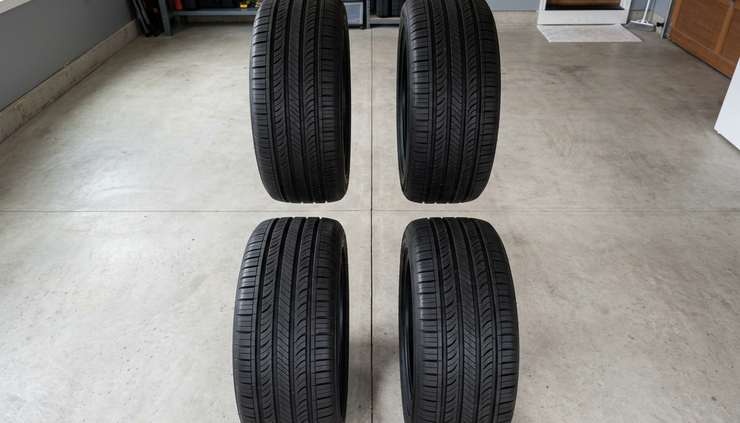
If budget is tight, focus on safety first. Wet braking, proper load rating, and correct size should come before appearance or aggressive tread style. Replacing all four tires at once is usually best for balanced handling, especially on all-wheel-drive vehicles. If only two tires are replaced, many tire professionals recommend installing the newer tires on the rear axle to help reduce the risk of oversteer in wet conditions.
Make the final choice with confidence
The best tire is the one that fits the vehicle, matches the climate, supports the load, and suits daily driving. Start with the factory tire size and specifications, then narrow the choices by tire type, weather needs, tread design, and budget.
For most drivers, the right purchase will not be the most aggressive tire or the cheapest tire. It will be the tire that feels stable in the rain, handles predictable braking and turning, carries the vehicle safely, and wears evenly with regular rotation and proper inflation.
Before buying, check the door placard, compare a few trusted models, read reviews from similar drivers, and ask a reputable tire shop to confirm fitment. A little care up front can make every mile safer, smoother, and more controlled.


Comments